Check out the next episode of Real & Raw with Roshaunda where I discuss parents choosing the best school options for their families. Please comment below to share your pandemic school struggles.
Category: critical engagement
-

Our Nig by Harriet Wilson – Ch 6, Video 6
I have a Youtube playlist where I read aloud from 19th Century American literary texts, and I thought I’d share those here. In addition to reading the texts, I add my own commentary and analysis. I hope you enjoy them.
-

Being First
I’ve literally been the last person on a plane. I’ve heard, “Paging Passenger Roshaunda Cade” as I ran all the way through DFW to reach my gate and breathlessly begged to be let on the plane just as the attendant began shutting the door to the tarmac. I panted my way onto the plane, threw my backpack into the one remaining middle seat, and convinced the flight attendant to let me use the bathroom before we pulled out from the terminal, because my delayed connecting flight left me with no time to go beforehand. There was no way I was going to wait until the captain turned off the fasten seatbelt light once we reached cruising altitude and weren’t expecting any air disturbances (am I the only one who wonders why they have stopped saying turbulence?). I was last, but I still got to my destination at the same time as the people who were first.
What’s so important about being first? Is it a sense of entitlement? A desire to be better than others? To engage in conspicuous consumption (Thank you, Thorstein Veblen)? What drives Americans to be first?
Whatever the reason, this desire to be first informs US education just as it does air travel.
Some people can afford elite, private education for their children. And like private air travel, I can’t even wrap my mind around what that must look like and what advantages it affords.
Some people can pay for their children to be first. Maybe they can afford a home in a nice neighborhood with good schools. Maybe they can afford a second tier private education for their children.
Some people are like me — they send their children to public schools but have the privilege of money and time to participate fully in their children’s education and to allow their children to take advantage of co-curricular activities.
Some people are struggling in ground conveyance, barely making it to their destinations, if at all.
Making it to the destination is where air travel and the US education system diverge. Even though I was last on the plane at DFW, I still reached my destination at the same time as all the other passengers — the ones who were first, and the ones who spanned the space somewhere between middle and sweating from exertion to board. Some children never reach the destination of a good education; some reach it so long after everyone else that they have missed windows of opportunity to capitalize on their education.
Initiatives like “No Child Left Behind” and “Race to the Top” rely on this very American notion of being first, even in their names. As a system, US education errs not in wanting the best for children, but in conceiving of best as a single destination to be achieved as quickly as possible. And that is an impossible task.
Rather than conceive of education as a common journey with a singular destination, let’s consider education an exploration that terminates only if and when the learner decides to conclude the quest. While I’m not saying that children should be allowed to quit school, I am saying that all learners deserve a voice in their education, its direction, its content, and its conclusion. Education doesn’t have to be the same for every child from pre-K through 12th grade, nor does school have to look like same-age children in grade-level classrooms. Cookie cutter education does not serve us well, not only because everyone doesn’t share the same interests and goals, but also because society doesn’t need everyone to be the same.
This bill of goods, that there is one thing that a good education looks like, is what we’ve been selling ourselves for nearly two centuries. And the way we’ve determined to differentiate ourselves in that system (because we don’t all share the same interests and goals and society doesn’t need all of us to be the same) is by being first and gaining the advantages of being first for our children.
This flaw, that a good education is a singular destination, permeates and perpetuates our collective thought and action in the educational system and causes us to make the same mistakes and enact the same disparities repeatedly. In attacking the symptoms of the problem, rather than the flaw itself, many people do much wonderful work, only achieving, however, small-scale, short-term solutions.
We can do better.
We invest in practices that will help some be first, but not in practices that will help everyone be their best. Instead of choosing to perpetuate a system that consigns everyone to a single destination that only those with the privilege of money and time can reach, let’s create a system where everyone can explore and fly.
-

Revise with Readers in Mind
Check out the next episode of Real & Raw with Roshaunda where I discuss revising your writing with your readers in mind. Please comment below to share your favorite revision strategies.
-
Our Nig by Harriet Wilson – Ch 5, Video 5
I have a Youtube playlist where I read aloud from 19th Century American literary texts, and I thought I’d share those here. In addition to reading the texts, I add my own commentary and analysis. I hope you enjoy them.
-
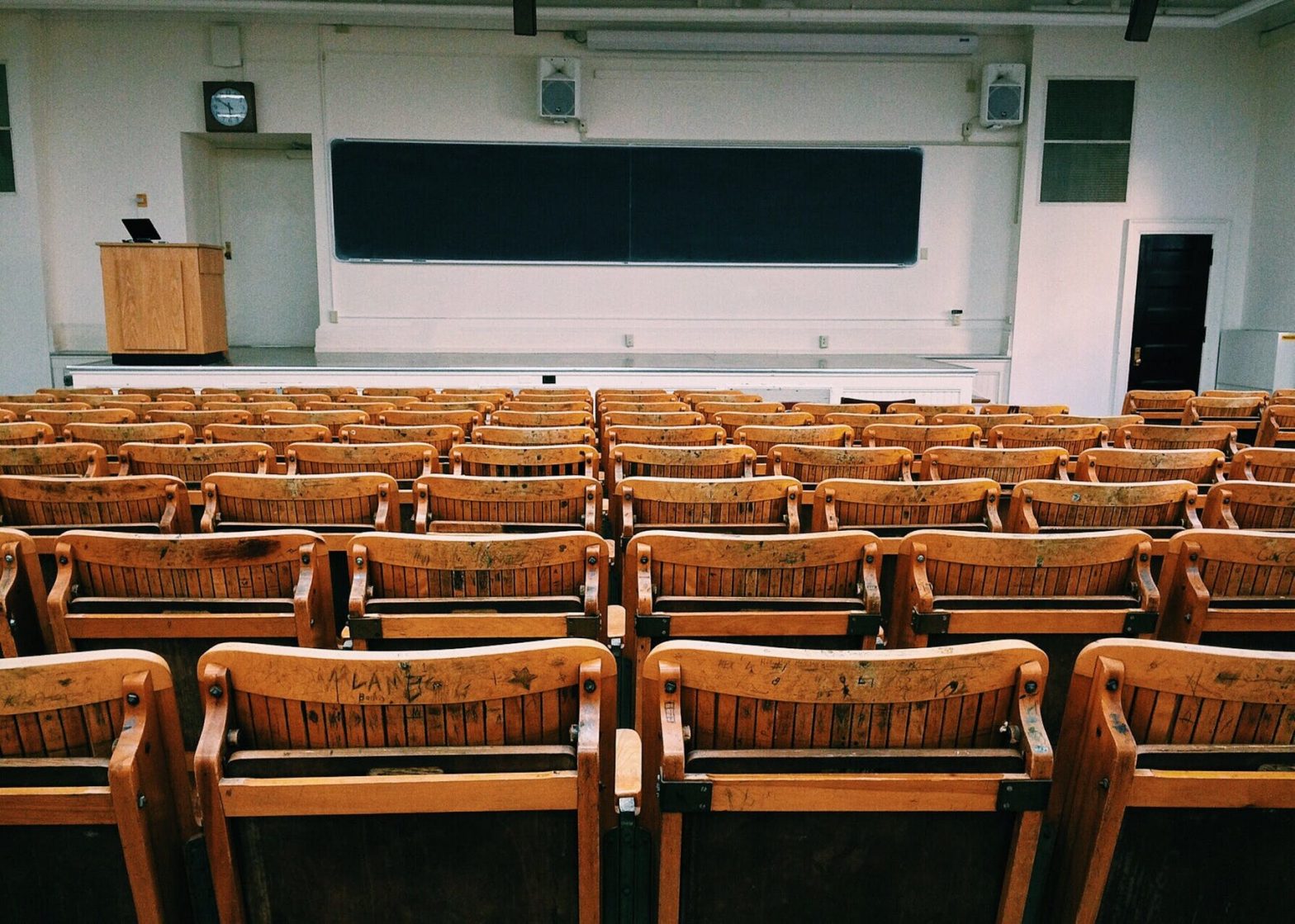
Teachers are Professionals
Teachers go to work every day, not school.
Teachers are content specialists, like most people in their jobs. Whatever their subject areas are, teachers know them well enough not only to teach them, but to make split-second adjustments as they go.
Teachers are also managers, dealing with hundreds of humans in various contexts in the course of a day. Managers assign tasks and help workers accomplish those tasks, and teachers do that all day every day. Managers must be content experts and facile at working with people to accomplish goals. In the business world, people get paid more for wearing these multiple hats.
Teachers are learning specialists. Just because you understand content doesn’t mean you know how to relay it to others, but teachers do this.
Teachers are differentiation experts. They learn how each of their students learn and need to be challenged and supported and make thousands of adjustments daily to guide students to their best selves.
Teachers are decision makers. In the course of a 45 minute class, teachers make 180 educational decisions.
And those are just educational decisions. Teachers decide whether to address or ignore the 20+ behaviors being exhibited by each student every second in every class. For the students who think we don’t see you and what you’re doing, we do. We just can’t address your benign pencil flipping while someone else is attempting to film a hair tutorial and while someone else is discovering the temperature at which paper catches fire.
Teachers are creative visionaries. Daily, teachers plan how to deliver lessons that engage and inspire and challenge and encourage their young charges. Then they do it again the next day.
Teachers are assessors. Teachers determine how much material students should know; then create a tool to determine what material students actually know; then deliver that tool to the students; then grade the tool; log the results; make decisions and adjustments based on those results; field questions from students, parents, and administrators about those results; all while continuing to plan, prepare, and teach every single day.
Teachers are CEOs. The buck stops with them in their classrooms. Period.
Teaching is a job, and professionals fill their roles every day. So no, teachers aren’t going to school during the dark, early hours of the morning (even though many if not most teachers are in graduate programs to learn more about how to be even better teachers); teachers go to work. And they do the work of professionals. Working with children and young adults doesn’t belittle teachers’ status. That should elevate their status, because they are preparing the next generation of leaders.
-

Difficult Feedback
Check out the next episode of Real & Raw with Roshaunda where I discuss a bit a difficult feedback I’ve received and how it transformed my life for the better. Please comment below to share your difficult feedback and the lessons you’ve learned.
-
Our Nig by Harriet Wilson – Ch 4, Video 4
I have a Youtube playlist where I read aloud from 19th Century American literary texts, and I thought I’d share those here. In addition to reading the texts, I add my own commentary and analysis. I hope you enjoy them.
-

Mini Manifesto
I desperately believe that every child deserves to have the chance to attend a high quality, free, public neighborhood school. And I believe I’m called to help that be a reality for more children than currently enjoy that right. Having access to such an education is a right, not a privilege. Whether families send their children to those schools is their choice, but the schools need to be available. To everyone. Everywhere. Not just in the swanky suburbs.
My parents went out of their way to live in places that afforded me just the education I tout. I am grateful. I am so grateful that I want everyone to have the same education available to them.
Why can’t every neighborhood have a great school? Why can’t every school be accessible in myriad ways? Why can’t kids walk or bike to school every day? Why can’t kids of all kinds of socio-economic statuses expect to receive a phenomenal education without worrying about how much it costs? Why can’t kids have all the recess their little bodies need so their big minds can work better? Why can’t art and music and social studies be part of every curriculum?
Why don’t we demand more?
As much as I’ve ranted, my goal isn’t to complain, because, to be perfectly honest, I’ve not done my best to be part of the solution.
So I’ve got to stop being part of the problem. This mini manifesto was step one. Share your step one in the chat.
-

I Have Questions
Check out the next episode of Real & Raw with Roshaunda where I discuss tips for holding an engaging conversation by asking good questions. Please comment below to share your tools and tips.