Category: unique design

  • What’s Holding You Back from Self Care?

    What’s Holding You Back from Self Care?

    What’s holding you back from practicing self care?

    I’m guessing a few things – you’re not sure you can fit it in, you’re not sure what to do as self care, and you’re not sure you deserve self care. We’ve talked about how to fit in self care, so I won’t belabor that point. I had someone ask me the other day how to know what to do as self care, so I thought we would consider that today.

    What is self care?

    Broadly, self care is any action you take to preserve or improve your physical, mental, emotional, and spiritual health. Many things can be self care. As you know, I like to read and write, but that’s not all I do for self care. I love to try new things, and I love to dance. I also require a lot of alone time and down time, and making time for that is self care for me. My daughter likes to bake and run. My husband watches sports and walks. My son plays sports and the violin.

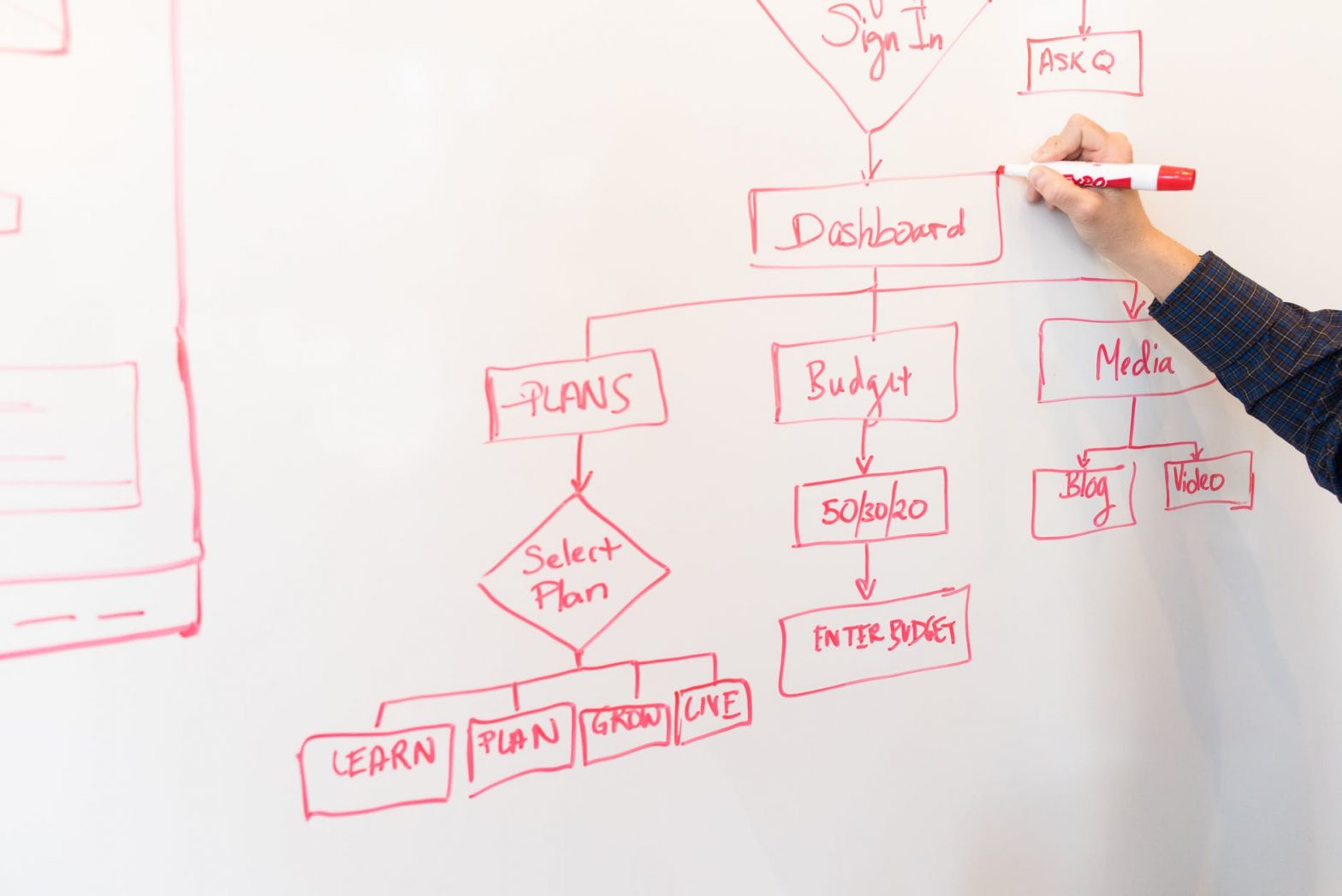
    Anything you can do with intention and mindfulness that feeds your body, mind, and soul can be self care. So now I’m going to ask you flowchart style questions to help you discover what activities might be self care for you. You may want to write down your responses.

    • What did you love to do when you were a kid? What activity made you lose track of time and place? Write down as many answers as you have; do not hold back. If it’s dancing, cooking, shopping, helping people, whatever it might be – write it down. Then explore the following questions in light of each response you gave. 
    • What did you love about that activity?
    • How can you do that activity now as an adult? 
    • What is keeping you from participating in that activity as an adult? I’m asking things like are you still physically capable of doing the activity (ie: if you were a competitive gymnast as a child, your body may not allow you to participate fully in that activity any more). I’m also asking if fear is keeping you from the activity (ie: I played the clarinet through my freshman year in college then stopped. I would love to play now, but I’m afraid of how awful I’ll sound and hard it will be to get my breathing back to what I need it to be. I’m clearly still a work in progress.). I’m also asking if finances are prohibiting you from participating in an activity (ie: some hobbies are expensive, like shopping)
    • How can you move beyond what’s keeping you from participating in the activity? Here is your chance to think creatively. 

    Did you love gymnastics when you were young, but now it’s difficult to walk a flight of stairs? Consider your response regarding what you love about the activity. If it’s physical movement, maybe you can take an exercise class. If it’s artistry, maybe you can dance along with some Youtube videos. If it’s competition, maybe you can join a competitive league of some sort. If it’s the love of the sport itself, maybe you can volunteer in some capacity with a local gymnastics league. What else can you think of?

    I’ll work through my clarinet example. I loved everything about the instrument, music, and being in the band. I loved to practice. I loved rehearsals. I loved concerts. I loved every last bit of it. Then I went to college and apparently lost my mind, because I stopped playing. Weird. My son plays violin, so I actually get a lot of vicarious joy through him, which some days actually is self care. Nevertheless, to move past my fear of how bad I’ll sound if I played my clarinet, I need to address the limiting belief underlying that fear. That limiting belief is that I won’t be able to play as well as I used to. And beneath that is the question Why do I need to be able to play as well? The answer to that is pride. Ouch. It just got ugly in the middle of this blog post. There is a simple solution here – pick up my clarinet and practice. The more I play, the better I will get, and the more I’ll practice self care. I’ll need to get some reeds to start, so I’ll go on Amazon and order some. Somebody please check back on me to see if I followed through. Whew. That was a little uncomfortable, but it will be worth it. Exploring these questions may prove uncomfortable for you, too, but it will also prove worthwhile.

    Well, let’s tackle the shopping scenario next. Perhaps you love to shop but the way your bank account is set up, you can’t do it as often as you’d like. What do you love about shopping? Is it research? Perhaps you can hunt down deals for your family and friends. Is it the rush of finding just the right item? Perhaps you can shop with someone and experience the same satisfaction without spending the money. If you’re like many educators, you have a side hustle. Maybe you can get a job with a company like Instacart. What else can you think of?

    • How will you prioritize this self care activity in your life?
    • Who will you be once you’ve done so?

    I hope this activity has brought you a little closer to self care. And I was being a bit sneaky; this activity is self care. It’s helping you slow down, reflect, and practice mindfulness and intentionality. You got a chance to experience a little life coaching. How was it? How are you? What’s your next step? What support do you need? Please post a comment, so we can encourage each other.

    ***

    Roshaunda D. Cade, Ph.D. is an educator, writer, and creator.  She lives in St. Louis, MO with her husband and teenage children and enjoys reading, writing, dancing, and pushing her creative boundaries. Jumpstart your self care journaling habit with one of her free downloadable journal pages.

  • Benefits of Early Morning Reading and Journaling

    Benefits of Early Morning Reading and Journaling

    I breastfed my son until he was 15 months old. From birth until 15 months old, he only took a bottle once. When I dropped him off at daycare, I nursed him before I left. When I picked him up, I nursed him before heading home. He preferred to spend the day on a hunger strike than to drink from the bottles of liquid gold I sent with him every day in an insulated bag.

    Then one day he stopped. As he started solid foods, he nursed less, but his nursing cessation came without warning. One day we followed our typical nursing schedule, then the next day he didn’t want to nurse any more.

    My body freaked out.

    I had lived on a hormone high for four years straight – my pregnancy with my daughter, nursing my daughter, my pregnancy with my son (btw – nursing is not an effective form of birth control), my pregnancy with my son, and nursing my son. The sudden drop in hormones after nearly half a decade of a hormone high spiraled my body into chaos. Specifically, I developed allergies. To everything.

    I already had many allergies, but they expanded when I stopped nursing. I gained allergies to foods, chemical products, and fabrics. Unfortunately, learning about these new allergies took trial and error. Especially the fabrics.

    Coinciding with my son’s nursing cessation, I got a new job teaching at a local university. I dressed professionally for work, but that meant wearing synthetic fibers. By the time I got home from work every day, my skin itched and oozed, with layers of skin sticking to the inside of my clothes as I peeled them off. I didn’t realize I had developed an allergy to these fabrics, however, until one day after work I threw on a 100% cotton t-shirt and felt a reprieve from my discomfort. I began expanding my cotton clothing collection and experienced greater relief with each item. My skin, however, remained covered in weeping rashes.

    Then one night a dream changed my life. I no longer recall the dream, but I know when I awoke, the word l’arge-a-neen filled my mind. I didn’t understand, but I journaled about it and consulted my dear friend Google. I discovered the term l-arginine. L-arginine is an amino acid with a variety of properties, including playing “an important role in cell division, wound healing, immune function, the release of hormones, and the production of growth hormone” (https://thedermreview.com/arginine/). I found a body cream with l-arginine as an ingredient and moisturized my skin back to good health.

    Without journaling and reading that morning, I wouldn’t have captured the answer God sent in my dream. I would have gone about my day, forgetting my dream, and never learning about the cure it revealed.

    Early morning reading and journaling can serve you well. You can capture your dreams from the night before, find inspiration for the day to come, and give space to your hopes and plans – all before the bustle of the day begins.

    The best time to read and journal is whenever works best for you, but if you’re looking for a place to start, give early morning a try.

    ***
    I am doing a 31-day series on reading and journaling as self care for educators. Each day of the series has bonus journal prompts. Click to join the LELA House family of educators committed to nourishing their reading, writing, and creative souls. You’ll receive a link to the journal prompts and gain early alerts for upcoming LELA House ideas, courses, and products. You only need to subscribe once. I will add a new worksheet each day to the access link.

    Roshaunda D. Cade, Ph.D. is an educator, writer, and creator.  She offers life coaching and writing coaching to educators, as well as other opportunities for educators to practice self care through reading and writing. Check out her LELA House website to learn more about her services.  Roshaunda lives in St. Louis, MO with her husband and teenage children and enjoys reading, writing, dancing, and pushing her creative boundaries.  

  • Reading and Journaling are Low Entry Threshold Endeavors

    Reading and Journaling are Low Entry Threshold Endeavors

    I minored in education in college. I started on the teacher certification track, but I couldn’t make myself take micro economics. I signed up for micro every semester for my first three years of college. I went to the first class, left at the end of class, marched to the registrar’s office, and dropped it. Students couldn’t complete the teacher certification track without taking micro economics, so I eventually switched to a minor in education instead, saving the registrar and myself from unnecessary headaches. I didn’t realize at 20 years old that nearly a quarter of a century later I would get my teaching certification.

    Becoming a high school teacher was a high entry threshold endeavor.

    Because I hadn’t earned my certification as an undergraduate, I needed to earn an alternate route certification. Doing so required having earned a doctorate in my subject area. Fortunately for me, I met that qualification. In hindsight, however, taking micro economics as an undergraduate would have been a much quicker, easier, and cost-efficient undertaking. I don’t recommend anyone spend nine years working on a doctorate, while meandering through not one, not two, but three different dissertation chairs. Nevertheless, the dissertation journey enabled me to pass the first barrier to my certification.

    Next came the Praxis – a complex set of examinations. I studied; I practiced; I passed (or as I like to reminisce – veni, vidi, vici).

    Earning my Ph.D. in English and passing the Praxis, while the most difficult aspects of my alternate certification route journey, were the least painful parts. Well, earning my doctorate was painful at points, but that pain belongs to a separate process.

    Next came months and months of administrative anguish. Months and months of submitting forms, waiting, resubmitting, calling, emailing, resubmitting, and on and on, until finally one day in February, I checked the state website and saw my teaching certification.

    Through the years I had taught on the college level, which I knew differed from teaching high school. I also did some informal teaching aide sort of work in my mom’s high school classroom from time to time. And I talked with a lot of high school teachers. From those experiences, I went into teaching high school with no delusions about how difficult it would be. I knew it would be the hardest thing I had ever done.

    I was right.

    I sank, and I swam. I failed, and I learned. I wasn’t the best teacher my students could have had, but I also wasn’t the worst. I was myself, though, and I loved them hard. My love for my students got me through many rough days, and it got quite a few of them through as well.

    Becoming a high school teacher was a high entry threshold endeavor. Incorporating reading and journaling as educator self care activities is not.

    Journaling at its most basic requires something to write on and something to write with. Paper works just fine as something to write on. If you don’t have paper, you can use a cardboard box, a napkin – anything that will hold ink, graphite, or other writing medium. (I don’t recommend towels; they don’t work nearly as well as napkins – I particularly favor the brown paper napkins offered at fast-food establishments). A pen will do as something to write with. If you don’t have a pen, you can use a pencil, crayon, marker, chalk – anything that will mark your writing surface. You can get fancy and use a notebook or even a leather-bound journal. You can use special pens. You can type into a Word document; you can use an online journaling app. I have done all of these, but you don’t have to. To journal, you just need your thoughts, something to write with, and something to write on.

    Reading is similarly simple. You need something to read. You can read online, on a device, or a physical product. You can even listen to audio. The world offers endless ways to consume text – newspapers, novels, cereal boxes, text books. I’m not here to judge your pleasure reading; I just want to encourage you to do it.

    We’ve explored educators’ need for self care and discussed reading and journaling as viable avenues of self care. Reading and journaling have relieved my stress and restored my equilibrium, and I bet they can help you, too. Why not try them today? We’ll begin discussing the benefits of reading and journaling next.

    ***

    I am doing a 31-day series on reading and journaling as self care for educators. Each day of the series has bonus journal prompts. Click to join the LELA House family of educators committed to nourishing their reading, writing, and creative souls. You’ll receive a link to the journal prompts and gain early access to upcoming LELA House ideas, courses, and products. You only need to subscribe once. I will add a new worksheet each day to the access link.

    Roshaunda D. Cade, Ph.D. is an educator, writer, and creator.  She lives in St. Louis, MO with her husband and teenage children and enjoys reading, writing, dancing, and pushing her creative boundaries.  You can follow her at roshaundacade.com, lela-house.com, and on Teachable, Medium, Youtube, Pinterest, and Instagram

  • Something Old, Something New

    Something Old, Something New

    The online journal I use sends me daily flashbacks of journal entries. The following is my entry from July 4, 2016.

    I mean, what do I want really?  Really?  I want to follow God wherever He leads me.  I want to bridge high school and college.  I want to help people learn to become better writers (although, really, I’m not sure why I care about that so much, but I do).  I think it’s because in the process of becoming better writers, we become better people who learn to get in touch with who we are and who we are in community.  By learning to express ourselves better in writing, we learn to think better and dream better and love better, and explore better, and live better.  In learning to write better we learn to look for purpose and meaning in the world and in ourselves.  Writing is a gateway to exploring the fullness of our humanity and how God divinely orchestrates our roles in the world.  Learning to write better enhances our ability to be and think and do and create, to understand we have purpose and to fulfill it.  Writing is living at its fullest, and being able to help people live is a worthy endeavor, indeed.

    I still find helping people write a worthy endeavor.

    I also still want to bridge high school and college, too.

    Actually, I want to bridge all kinds of levels of education and help people, whether they are in or are out of school, keep on reading, writing, creating and learning.

    To that end, I’m working on something new to offer you through LELA House. I’m dipping my toes into course creation.

    I’ll keep you posted on what’s coming up. In the mean time, if there’s a course you’d like to see, please comment and let me know what’s interesting for you. And please, keep on living, reading, growing, writing, exploring, loving, dreaming, and becoming who God created you to be.