Tag: self care

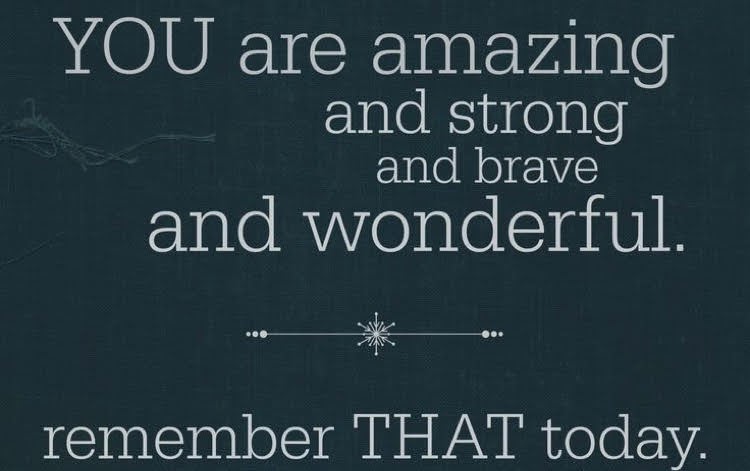
  • You are Amazing

    You are Amazing

    Start your week off with self care and journal to the following prompt.

    How am I amazing?

  • Using Subscriptions to Automate Reading and Journaling

    Using Subscriptions to Automate Reading and Journaling

    We already discussed making reading and journaling rituals in our lives. Another important aspect of creating and sustaining a reading and journaling habit is automation. How can you get reading and journaling to come to you?

    I have a few resources to help reading come to me, but they all are the same idea – subscriptions. I subscribe to have news articles sent to my inbox. I also subscribe to industry newsletters, which come directly to my inbox. I subscribe to reading recommendations from Amazon and Good Reads. I even have subscriptions that bring books to me. As an Amazon Prime member, I get to choose from a selection of free books each month. And I subscribe to two curating services, Book Bub and Fussy Librarian, which send me daily book recommendations – some a free and most are inexpensive.

    Automating journaling also boils down to subscriptions. I use Penzu to journal online, and you can sign up to have Penzu send reminders and prompts. Penzu even offers a prompt each time you open it up to write. You can find several agencies happy to email you journal prompts regularly. Setting an ongoing reminder to journal on your calendar app on your phone may also help.

    These are just a few suggestions for automating your reading and journaling habit. Which will you try? What other ideas do you have to help maintain reading and journaling as self care?

    ***

    Roshaunda D. Cade, Ph.D. is an educator, writer, and creator.  She lives in St. Louis, MO with her husband and teenage children and enjoys reading, writing, dancing, and pushing her creative boundaries. Jumpstart your self care journaling habit with one of her free downloadable journal pages.

  • What’s Holding You Back from Self Care?

    What’s Holding You Back from Self Care?

    What’s holding you back from practicing self care?

    I’m guessing a few things – you’re not sure you can fit it in, you’re not sure what to do as self care, and you’re not sure you deserve self care. We’ve talked about how to fit in self care, so I won’t belabor that point. I had someone ask me the other day how to know what to do as self care, so I thought we would consider that today.

    What is self care?

    Broadly, self care is any action you take to preserve or improve your physical, mental, emotional, and spiritual health. Many things can be self care. As you know, I like to read and write, but that’s not all I do for self care. I love to try new things, and I love to dance. I also require a lot of alone time and down time, and making time for that is self care for me. My daughter likes to bake and run. My husband watches sports and walks. My son plays sports and the violin.

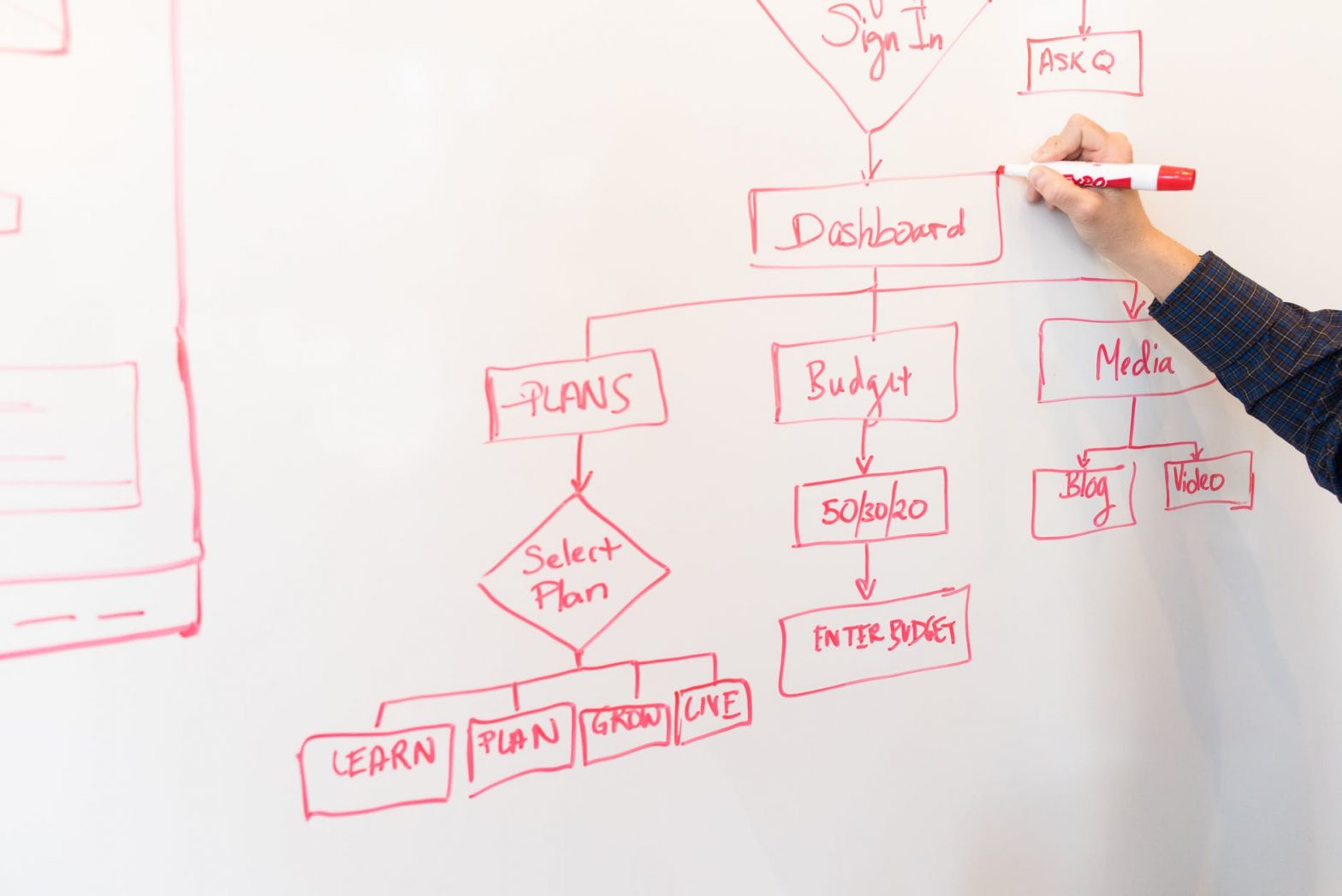
    Anything you can do with intention and mindfulness that feeds your body, mind, and soul can be self care. So now I’m going to ask you flowchart style questions to help you discover what activities might be self care for you. You may want to write down your responses.

    • What did you love to do when you were a kid? What activity made you lose track of time and place? Write down as many answers as you have; do not hold back. If it’s dancing, cooking, shopping, helping people, whatever it might be – write it down. Then explore the following questions in light of each response you gave. 
    • What did you love about that activity?
    • How can you do that activity now as an adult? 
    • What is keeping you from participating in that activity as an adult? I’m asking things like are you still physically capable of doing the activity (ie: if you were a competitive gymnast as a child, your body may not allow you to participate fully in that activity any more). I’m also asking if fear is keeping you from the activity (ie: I played the clarinet through my freshman year in college then stopped. I would love to play now, but I’m afraid of how awful I’ll sound and hard it will be to get my breathing back to what I need it to be. I’m clearly still a work in progress.). I’m also asking if finances are prohibiting you from participating in an activity (ie: some hobbies are expensive, like shopping)
    • How can you move beyond what’s keeping you from participating in the activity? Here is your chance to think creatively. 

    Did you love gymnastics when you were young, but now it’s difficult to walk a flight of stairs? Consider your response regarding what you love about the activity. If it’s physical movement, maybe you can take an exercise class. If it’s artistry, maybe you can dance along with some Youtube videos. If it’s competition, maybe you can join a competitive league of some sort. If it’s the love of the sport itself, maybe you can volunteer in some capacity with a local gymnastics league. What else can you think of?

    I’ll work through my clarinet example. I loved everything about the instrument, music, and being in the band. I loved to practice. I loved rehearsals. I loved concerts. I loved every last bit of it. Then I went to college and apparently lost my mind, because I stopped playing. Weird. My son plays violin, so I actually get a lot of vicarious joy through him, which some days actually is self care. Nevertheless, to move past my fear of how bad I’ll sound if I played my clarinet, I need to address the limiting belief underlying that fear. That limiting belief is that I won’t be able to play as well as I used to. And beneath that is the question Why do I need to be able to play as well? The answer to that is pride. Ouch. It just got ugly in the middle of this blog post. There is a simple solution here – pick up my clarinet and practice. The more I play, the better I will get, and the more I’ll practice self care. I’ll need to get some reeds to start, so I’ll go on Amazon and order some. Somebody please check back on me to see if I followed through. Whew. That was a little uncomfortable, but it will be worth it. Exploring these questions may prove uncomfortable for you, too, but it will also prove worthwhile.

    Well, let’s tackle the shopping scenario next. Perhaps you love to shop but the way your bank account is set up, you can’t do it as often as you’d like. What do you love about shopping? Is it research? Perhaps you can hunt down deals for your family and friends. Is it the rush of finding just the right item? Perhaps you can shop with someone and experience the same satisfaction without spending the money. If you’re like many educators, you have a side hustle. Maybe you can get a job with a company like Instacart. What else can you think of?

    • How will you prioritize this self care activity in your life?
    • Who will you be once you’ve done so?

    I hope this activity has brought you a little closer to self care. And I was being a bit sneaky; this activity is self care. It’s helping you slow down, reflect, and practice mindfulness and intentionality. You got a chance to experience a little life coaching. How was it? How are you? What’s your next step? What support do you need? Please post a comment, so we can encourage each other.

    ***

    Roshaunda D. Cade, Ph.D. is an educator, writer, and creator.  She lives in St. Louis, MO with her husband and teenage children and enjoys reading, writing, dancing, and pushing her creative boundaries. Jumpstart your self care journaling habit with one of her free downloadable journal pages.

  • School Year 2020-2021 Prayer

    School Year 2020-2021 Prayer

    Lord,

    It’s the beginning of another school year, a school year like we’ve never seen before. We are struggling. All of us. Students, parents, educators. Everyone. So I’m asking for a good school year – a year filled with light, love, and learning, with grace and gratitude, with peace and patience. We are all navigating an unknown sea, so please help us to individually do our best and to see the best in what other individuals do.

    Bless the students, whether they are schooling virtually, in-person, homeschooling, unschooling, hybrid schooling, or something else. Let them feel your love through their teachers, parents, caregivers, and friends. Keep them safe and healthy. Keep them flexible in body, mind, and spirit. Help people remember they, like the rest of us, are doing their best, especially when it looks like things are falling apart. Help them smile and laugh and sing and dance and play and compete and listen and learn and grow. Show them the best of humanity and not the worst.

    Bless the parents and caregivers, regardless of what kind of schooling their students are undertaking. Be with the parents whose children are away at college, as well as the ones with little ones at home. Remind them they don’t have to be perfect; they just need to be present. When things go wrong, and they will, help them not to cast blame. Instead, let them view their challenges as opportunities to learn both how to give and recieve grace. Help them live as examples for their students of surviving adversity while remaining true to their humanity.

    Bless the educators – the teachers, principals, paras, aides, administrators, professors, psychologists, nurses, safety officers, drivers, cafeteria workers, custodians, coaches, directors – all of them. As they give their best to their students and school communities, remind them to take care of themselves. When they feel overwhelmed, let them take the time they need to read, run, stare, or just breathe. Remove the guilt that overpowers them when they think of all of the things they could be doing. Reassure them that they are enough. Help them to care for their whole selves – spiritually, mentally, physically, and emotionally. When they need help, give them what they need. When they triumph, place people around them who will celebrate them. When they cry, comfort them. Help them to recognize the wonder in this school year.

    Lord, please end this pandemic and help us find our new normal. Let our new normal be one where people are treated fairly and have equal access to life’s necessities. Let it be one where we care for our environment. Let it be one where we spread love and not hate. And let this new normal begin right now. In the midst of everything that feels like chaos, bring peace, justice, equality, and love. Help us not wait to begin building until later; let us build now. Bless those who lead the way – our students, parents, and educators.

    In Jesus’ name, amen.

  • Reading, Writing, and Ritual

    Reading, Writing, and Ritual

    When my family takes a road trip and we cross a state line, we all do the wave and chant, “[State name], woohoo!” It’s corny, but we look forward to it. At the outset of our trips, our teenage kids ask how many state lines we will cross, and we all keep watch as we get closer and closer to a state line. We look for literal signs announcing a state’s proximity and figurative signs like increasing or decreasing mile markers. When we see a state sign approaching, we make sure everyone in the car has a visual, and we time our cheer when the hood of the car reaches the state line. We do this every time. It’s our ritual.

    A ritual is a habit or routine laced with meaning and practiced with mindfulness. We all have habits, routines, and rituals but do not always recognize them. Habits happen so effortlessly, we barely realize we’re doing them. Much to my husband’s chagrin (I’m sure), I crack my knuckles as soon as I get into bed each night. I don’t think about doing it; I just do it. Routines, however, have intent behind them. Part of my bedtime routine is flossing and brushing my teeth. I must think about completing those actions; I’m not on autopilot, like I am with knuckle cracking. Reading is my bedtime ritual.

    Part of my reading ritual includes my routine of flossing and brushing my teeth. I don’t curl up in bed to read without having done so. Once I’ve gotten into bed, I grab my book, which lives within arm’s reach on my dresser, and settle in to read. The act of reading carries meaning for me. As I prepare to read, I often think about the gift of literacy and how it was systematically denied to people who look like me. I thank God for the gift of books and the time to read them. I contemplate the power of the written word, and I think about how reading shapes who I am. I anticipate the story arc of my book and wonder what will happen next. I focus on my task, and I relax. I feel my breathing deepen and my taut muscles release. Then I immerse myself in the world on the pages in front of me.

    Rituals play an important role in self care. They fill you with awe and expectancy. They allow you to consider your values and how you incorporate them into your life. They help you slow down and pay attention to the moment you’re experiencing, rather than dwelling on past moments or worrying about future ones. They signal your brain to switch into reflection and creativity, which can lead you into a flow state. They can also signal to others you’re experiencing flow. For example, I used to listen to particular music while studying my bible, and my husband knew to give me some time when he heard the music playing. Rituals help you place boundaries around the time and space you need for self care – boundaries both you and others will respect.

    Not every habit or routine needs to become a ritual, but reading and journaling are good contenders for busy educators. They are easy activities to practice and to squeeze into tight schedules.

    The first step is to make reading and journaling a routine. Some people can create new routines for themselves by the sheer force of their will. I am not one of those people. If you are, I applaud you. If you are not, I have some tips for you.

    • Decide you want to read and journal. You get to choose how to spend your time and how you will take care of yourself.
    • Tell people you are going to read and journal. They will cheer you on and hold you accountable.
    • Experiment. Play with different times of day and different strategies to find what works best for you.
    • Determine a trigger that aligns with the results of your experimentation. Pick some recurring event (like walking in the house after work) or habit (like walking on the elliptical) and tie reading and journaling to it. Keep a notebook by your door and pick it up on the way in the house to journal for a few minutes before launching into your evening activities. Decide that every time you go to work out on the elliptical, you will listen to an audiobook.
    • Repeat and adjust. Repeat the process and revise as necessary until you have established a routine. 
    • Show yourself grace. Forming a habit can take anywhere from 8 to 250 days, with the average being 66 days (https://www.quickanddirtytips.com/education/science/how-long-habit). Don’t beat yourself up, if it takes a while to get into a groove. You are learning and growing in the process.
    • Reflect. This step moves your routine to ritual. Think about why you’re implementing this activity in your life. Think about how it benefits you and your loved ones. Think about the gift of self care. Think about the activity itself, not your perceived failures of the day or your looming to-do list. Revel in who you are becoming as you partake in the activity.
    • Get support. Sometimes going it alone is hard. When you feel isolated, it’s easy to lose resolve and drift back into habits that don’t serve you well and don’t lead you toward self care. If you want to practice reading and writing as rituals with other educators, click HERE to learn more. 

    Reading and journaling rituals are educator self care tools, not just diversions to slough off. Taking care of yourself as an educator affects all areas of your life. Choose to practice self care today. 


    * * *

    I am doing a 31-day series on reading and journaling as self care for educators. Each day of the series has bonus journal prompts. Click to join the LELA House family of educators committed to nourishing their reading, writing, and creative souls. You’ll receive a link to the journal prompts and gain early alerts for upcoming LELA House ideas, courses, and products. You only need to subscribe once. I will add a new worksheet each day to the access link.

    Roshaunda D. Cade, Ph.D. is an educator, writer, and creator.  She offers life coaching and writing coaching to educators, as well as other opportunities for educators to practice self care through reading and writing. Check out her LELA House website to learn more about her services.  Roshaunda lives in St. Louis, MO with her husband and teenage children and enjoys reading, writing, dancing, and pushing her creative boundaries.  

  • Wee Hours for Reading and Journaling

    Wee Hours for Reading and Journaling

    Our brains work differently in the middle of the night. I don’t know the science behind it, but I know reading and writing in the middle of the night affects my psyche differently than any other time of the day.

    So today’s message is brief.

    Capitalize on your altered brain function during those hours of the day. If you’re awake, write and read. See where it takes you.

    * * *

    I am doing a 31-day series on reading and journaling as self care for educators. Each day of the series has bonus journal prompts. Click to join the LELA House family of educators committed to nourishing their reading, writing, and creative souls. You’ll receive a link to the journal prompts and gain early alerts for upcoming LELA House ideas, courses, and products. You only need to subscribe once. I will add a new worksheet each day to the access link.

    Roshaunda D. Cade, Ph.D. is an educator, writer, and creator.  She offers life coaching and writing coaching to educators, as well as other opportunities for educators to practice self care through reading and writing. Check out her LELA House website to learn more about her services.  Roshaunda lives in St. Louis, MO with her husband and teenage children and enjoys reading, writing, dancing, and pushing her creative boundaries.  

  • Fast Writing as a Journaling Strategy

    Fast Writing as a Journaling Strategy

    I looked good. I had on my 3-inch big girl heels, pencil skirt, blouse, and jacket. And I looked professional, too, with my shoulder strap satchel. I strutted into the building feeling confident and headed for the grand staircase. You know the type – the large, winding staircase, traversing multiple stories, serving as the centerpiece for an historic downtown office building.

    I made it fine down the first few steps.

    Until my heel caught on a step and I tumbled down the stairs. Down and down I fell, head over heels, rolling and bouncing along the stairs like Bart Simpson having a nice trip, with papers flying from my satchel like confetti in Times Square on New Year’s Eve. I didn’t stop until I got all the way to the bottom. I looked up from the foot of the stairs to see people crowding the railing of the top floor, all watching me in stunned silence. I stood and waved. The onlookers applauded then dispersed. A few stayed to help me collect my papers that spanned nearly the entire staircase.

    Once I collected myself and my belongings, I found my way to the classroom where I would give a presentation on the writing process. As part of my presentation, I taught students about fast writing, my favorite type of writing. Fast writing is exactly what it sounds like – writing fast. Fast writing has only one rule: don’t stop writing. If you run out of things to stay, write “I don’t have anything to say.” If you misspell something, just keep writing. If you feel silly, write about how silly you feel. Whatever you do, don’t stop writing for the allotted time.

    Fast writing has many benefits. It helps you deal with personal issues that may block your writing. It helps you learn about yourself, because it forces you to think while you write instead of before you write. It helps you get to your genius because it forces you past your crazy. Usually when we think something crazy, we stop ourselves from writing it, and we never discover what ideas might have come next. Fast writing helps you move past the crazy and find your genius. Fast writing silences your inner critic – that voice that tells you you’re a bad and inept writer.

    My inner critic wanted to wreak havoc on me after my spill down the stairs. Everyone saw you fall down the stairs and won’t take you seriously during your presentation. You can’t even walk down a flight of stairs in heels. What else can’t you do? Instead of listening to my inner critic, I fast wrote with the students during the presentation. 

    Fast writing is a great journaling strategy, especially for educators without much time. It allows you to access your thoughts and emotions without censoring yourself. Try fast writing for 2 minutes at a time and gradually build your way up to longer stretches. You can write about whatever you want. Don’t worry if you get off topic. Your brain will eventually get you where you need to be. Where will fast writing take you today?

    Youtube video

    * * *

    I am doing a 31-day series on reading and journaling as self care for educators. Each day of the series has bonus journal prompts. Click to join the LELA House family of educators committed to nourishing their reading, writing, and creative souls. You’ll receive a link to the journal prompts and gain early alerts for upcoming LELA House ideas, courses, and products. You only need to subscribe once. I will add a new worksheet each day to the access link.

    Roshaunda D. Cade, Ph.D. is an educator, writer, and creator.  She offers life coaching and writing coaching to educators, as well as other opportunities for educators to practice self care through reading and writing. Check out her LELA House website to learn more about her services.  Roshaunda lives in St. Louis, MO with her husband and teenage children and enjoys reading, writing, dancing, and pushing her creative boundaries.